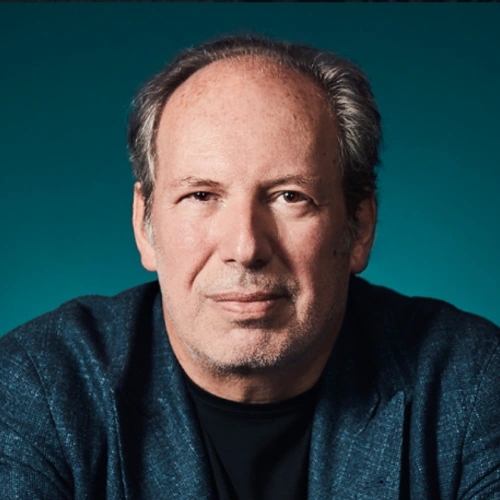
Medieval (500–1400)
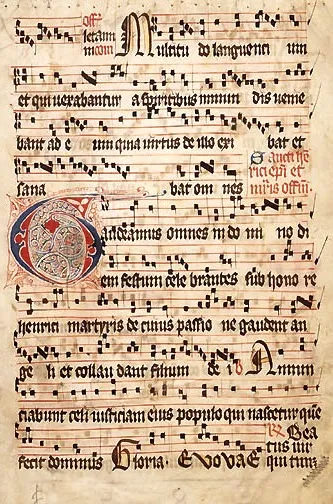
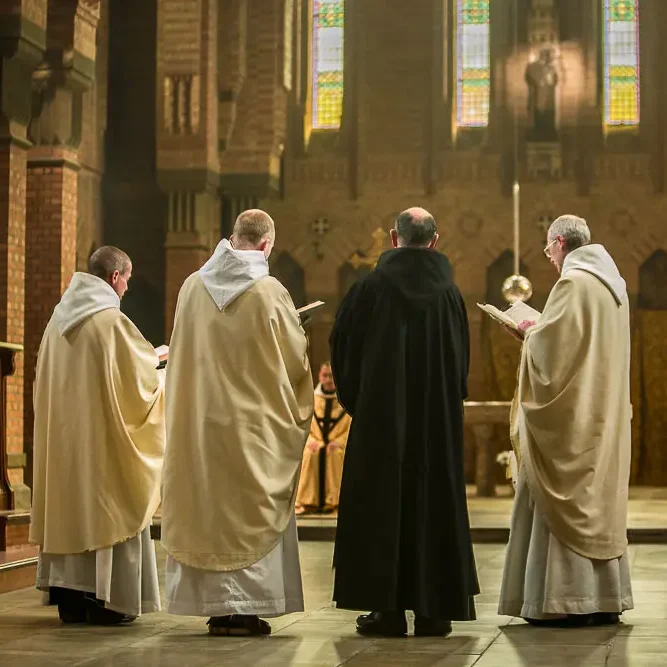
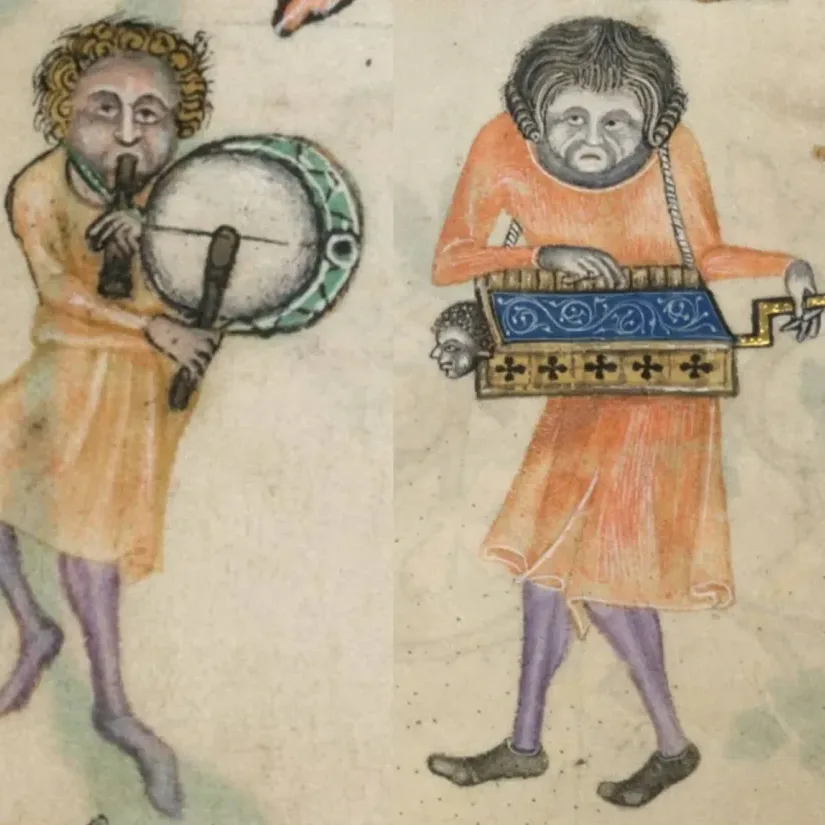
Music was divided between sacred chant sung in churches and secular songs performed by traveling musicians, gradually evolving from single melodies to early multi-part harmony.

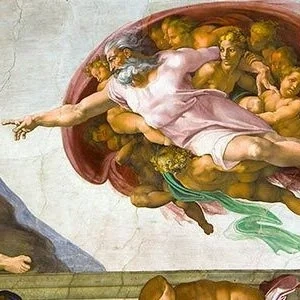
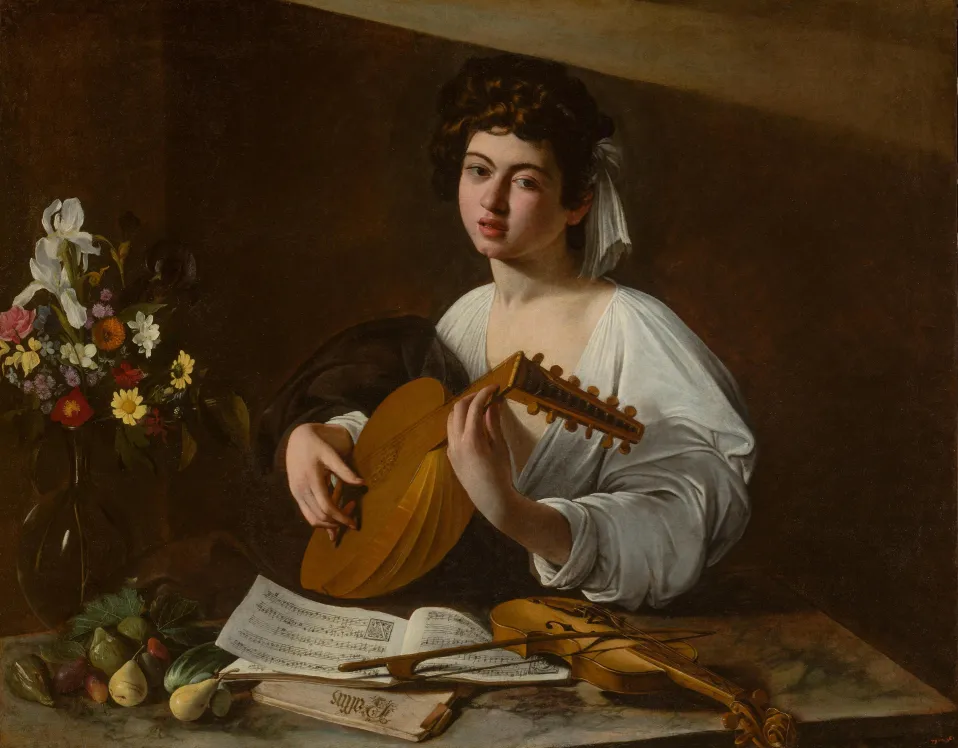
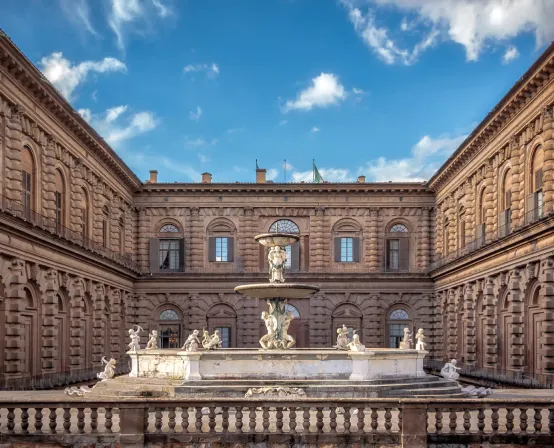
Renaissance (1400–1600)
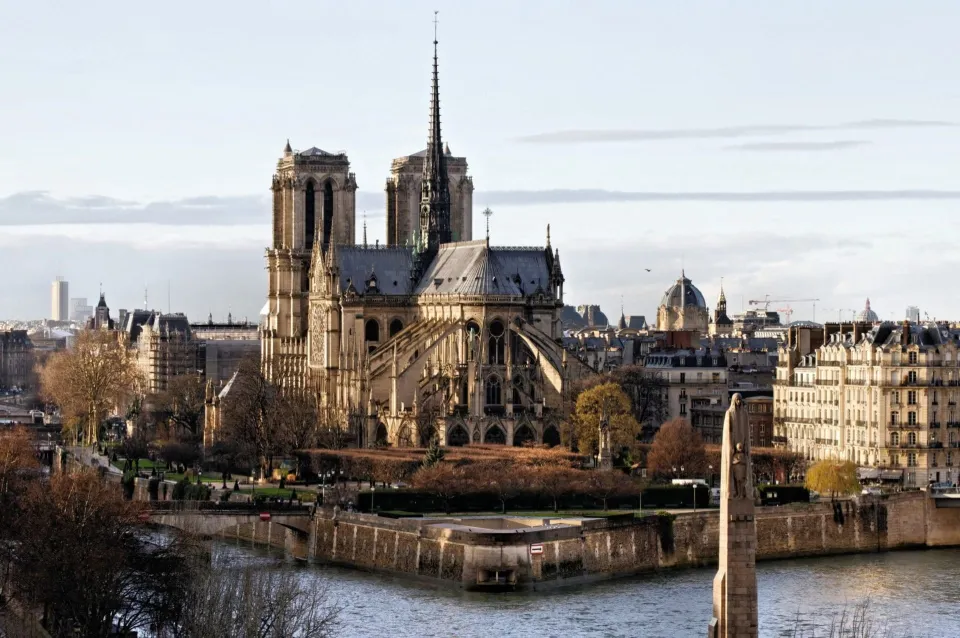
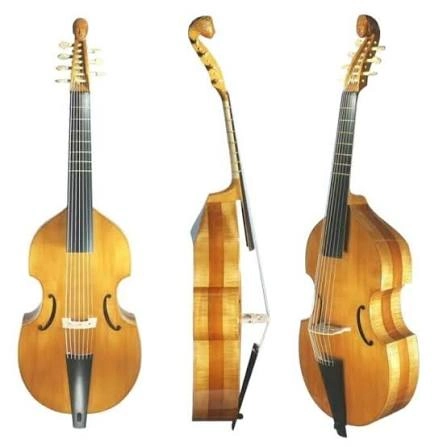
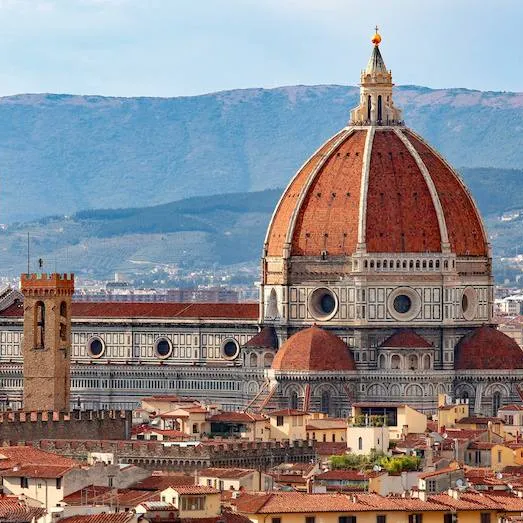
Music became richer, for example by combining multiple independent melodies at the same time. Christian church services featured solemn choral works like masses and motets (musical genres), while expressive secular (non-religious) songs called madrigals became popular for entertainment.

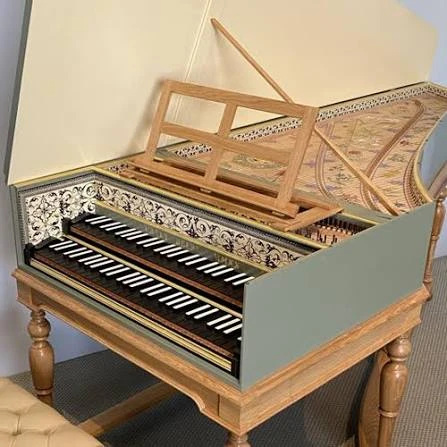
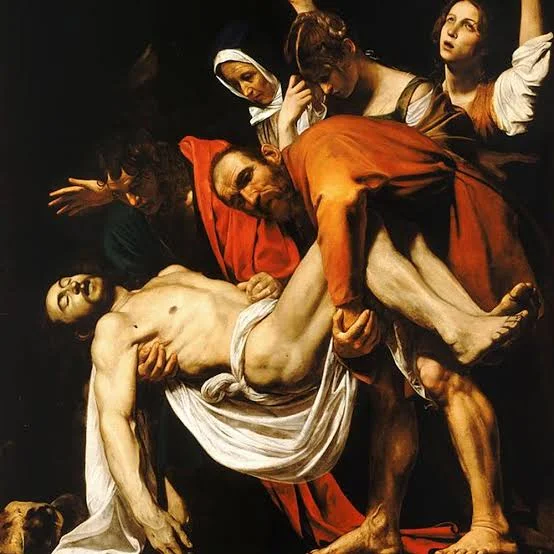
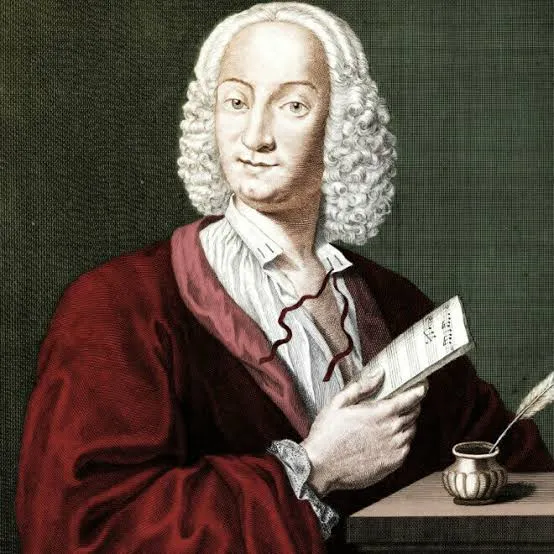
Baroque (1600–1750)
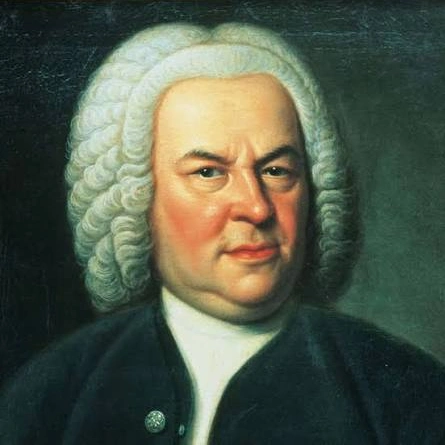
Music became ornate, dramatic, and highly structured. This era saw the birth of opera,
the rise of orchestral music, and the establishment
of the major-minor key system (the scales we use today)
alongside the basso continuo: a continuous bass line with numbers and symbols indicating which chords to play.


Classical (1750–1820)
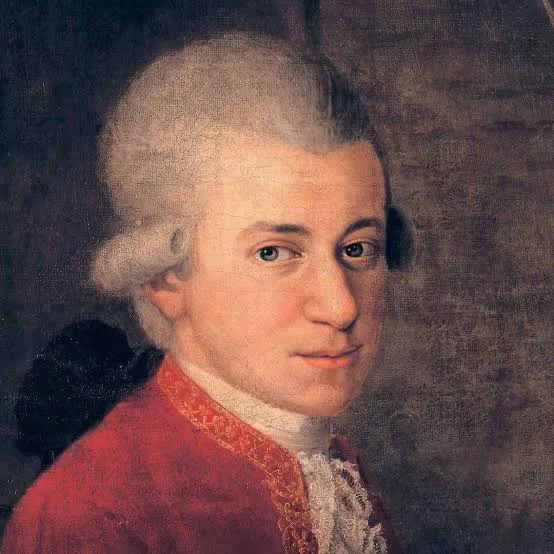
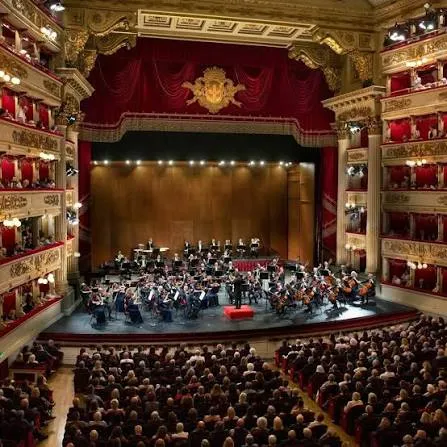
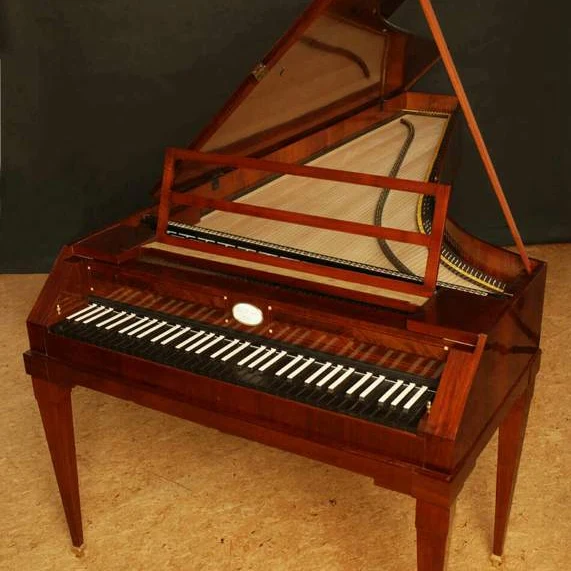
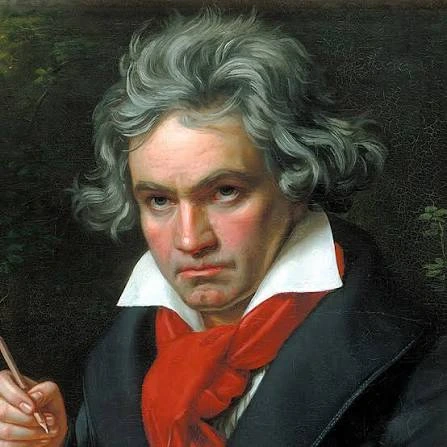
Music shifted toward simplification (oftentimes oversimplification) and formal elegance, featuring memorable melodies over straightforward accompaniment. This era saw the popularity of the piano, the growth of the orchestra into a fixed group of instrument families, and was dominated by three iconic composers: Haydn, Mozart, and Beethoven.
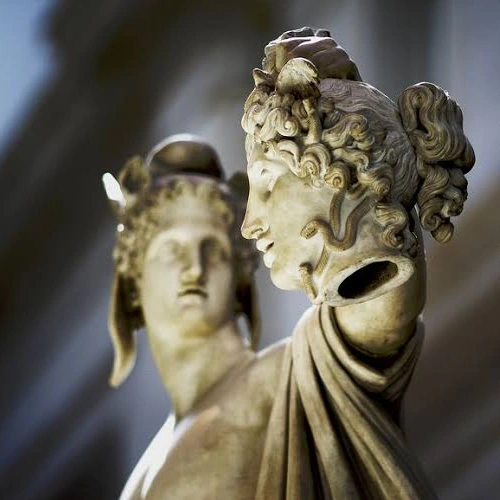
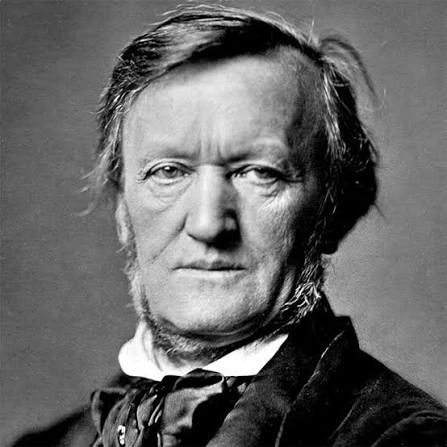
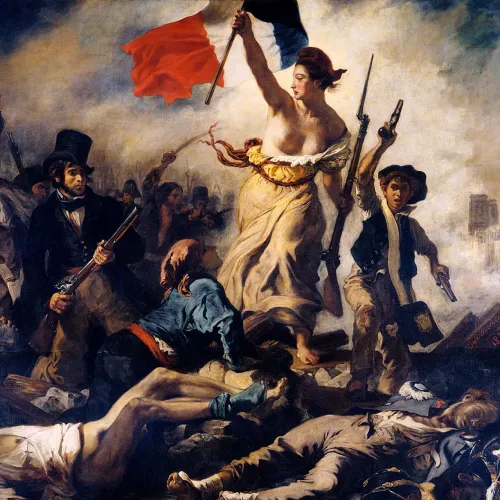
Romantic (1820–1900)
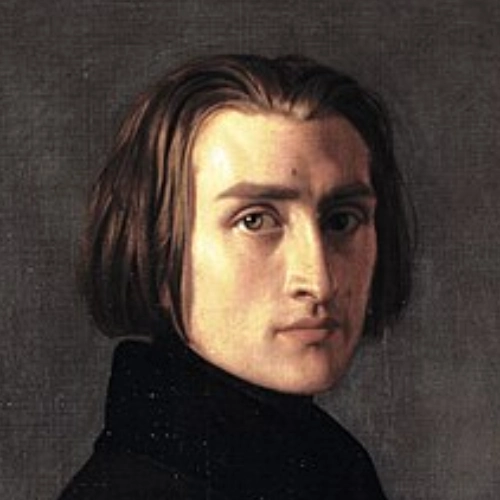
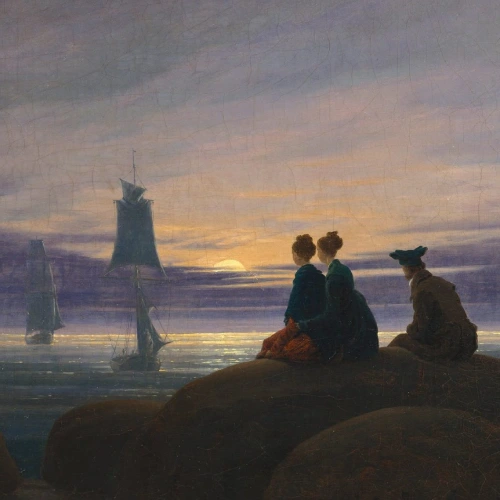
Music focused on intense emotional expression, storytelling, and national identity,
expanding both orchestra sizes and instrumental virtuosity. Poetic piano works, dramatic operas,
and large-scale symphonic poems flourished as composers prioritized artistic freedom
over rigid forms.

20th Century (1900–2000)
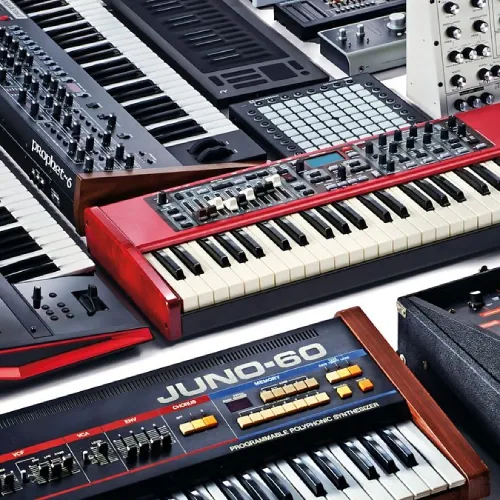
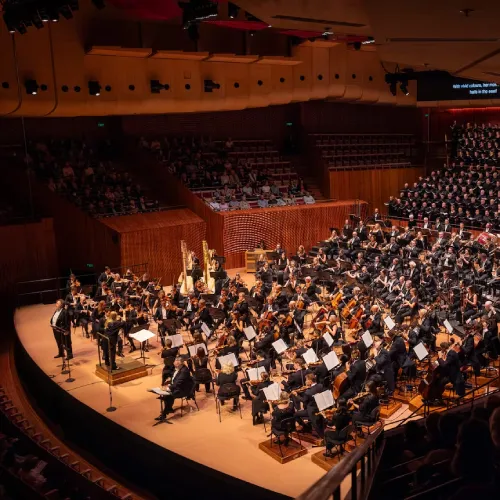
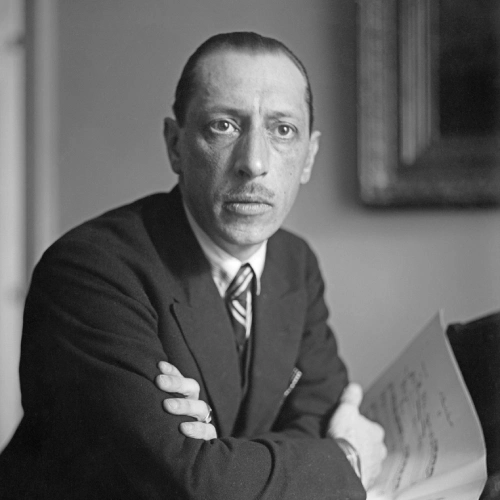
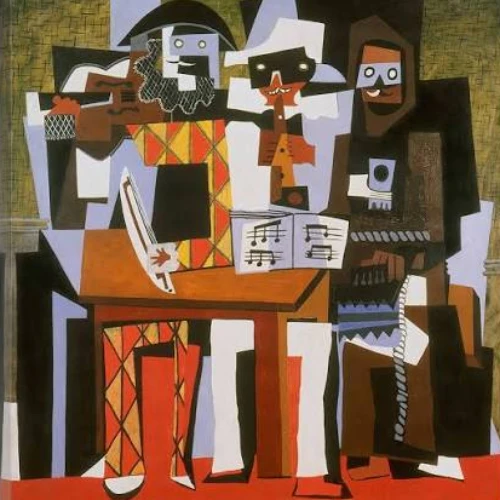
Composers broke traditional rules of melody and harmony, experimenting with completely new,
sometimes unusual sounds and electronic technology. Sound recording also became possible
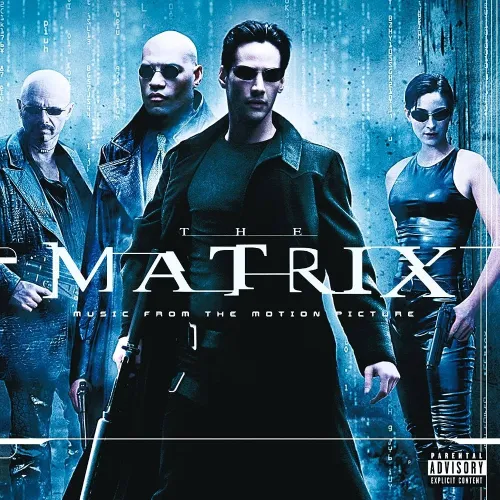
for the first time during this era. The 20th century laid the foundations for film music
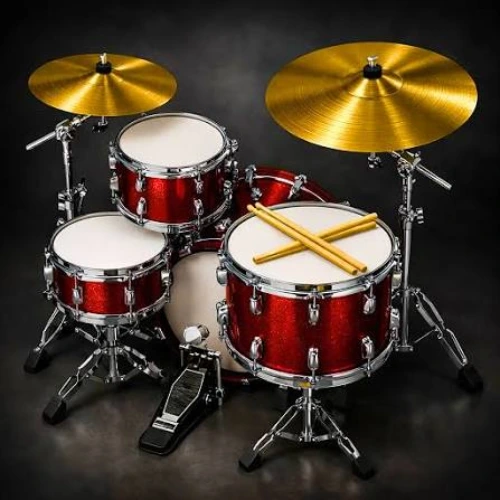
and gave birth to iconic popular genres like jazz and rock, forever changing how music
was made and consumed.


Contemporary (Our Present Time)
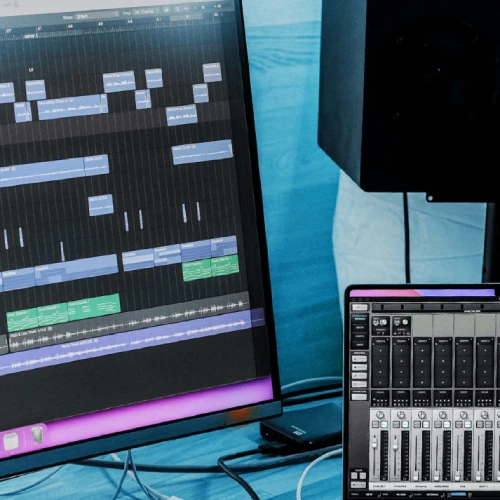
Today's music has no boundaries, seamlessly blending traditional instruments with computer software, global sound styles, and modern technology. From epic film and video game scores to electronic soundscapes, composers draw from every era to create entirely new musical experiences.